









Barking treefrog
Barking treefrog
Barking treefrog
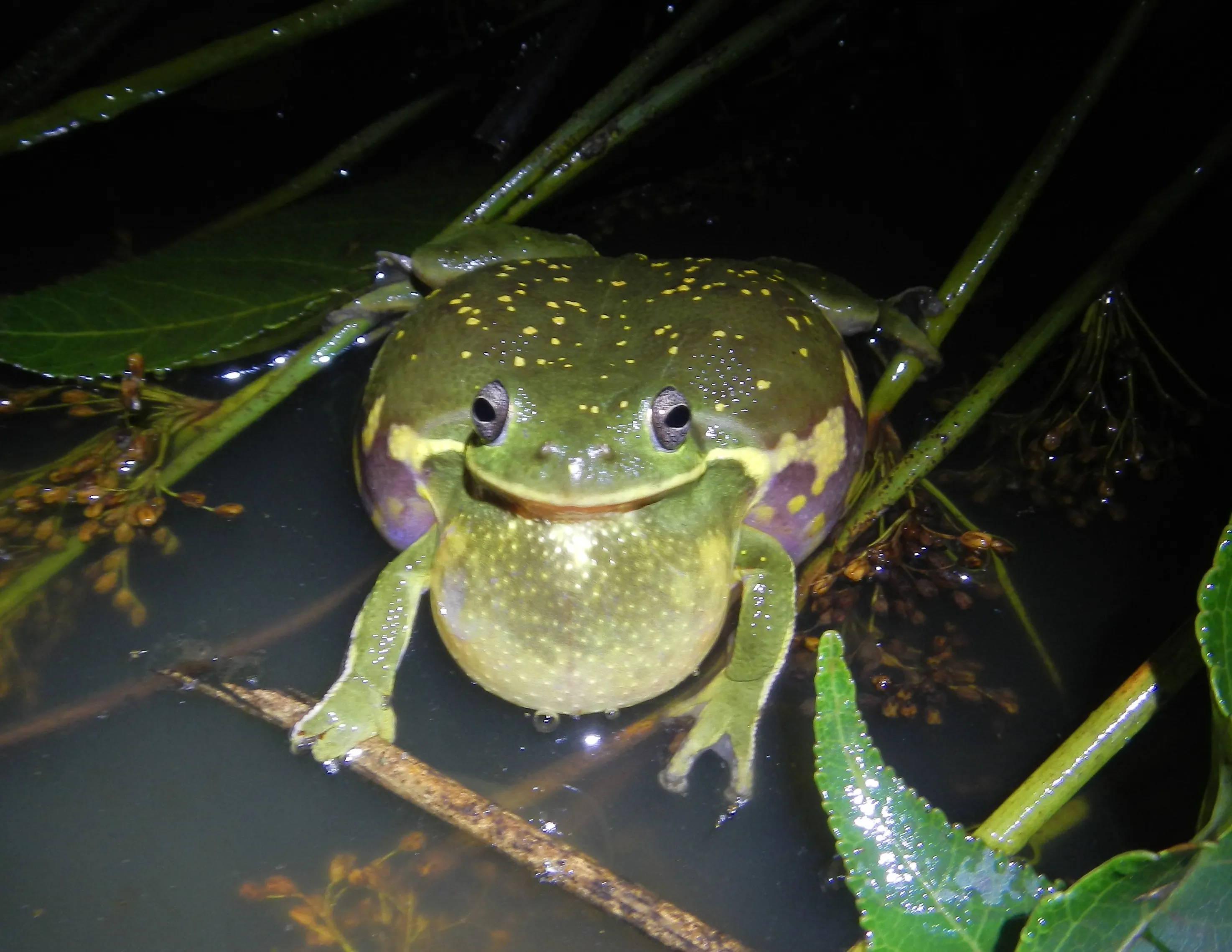
The Barking treefrog, known for its dog-like bark, is a fascinating amphibian found in the southeastern United States. Let's explore its ecology, characteristics, and the secrets behind its unique vocalization.
Barking treefrog Basic Infomation
| Property | Value |
|---|---|
| Scientific Name | Dryophytes gratiosus |
| Taxonomic Status | accepted |
| Rank | SPECIES |
| Vernacular Names | Barking Treefrog, Barking treefrog, Barking Tree Frog, barking treefrog |
| Kingdom | Animalia |
| Phylum | Chordata |
| Class | Amphibia |
| Order | Anura |
| Family | Hylidae |
| Genus | Dryophytes |
Basic Information
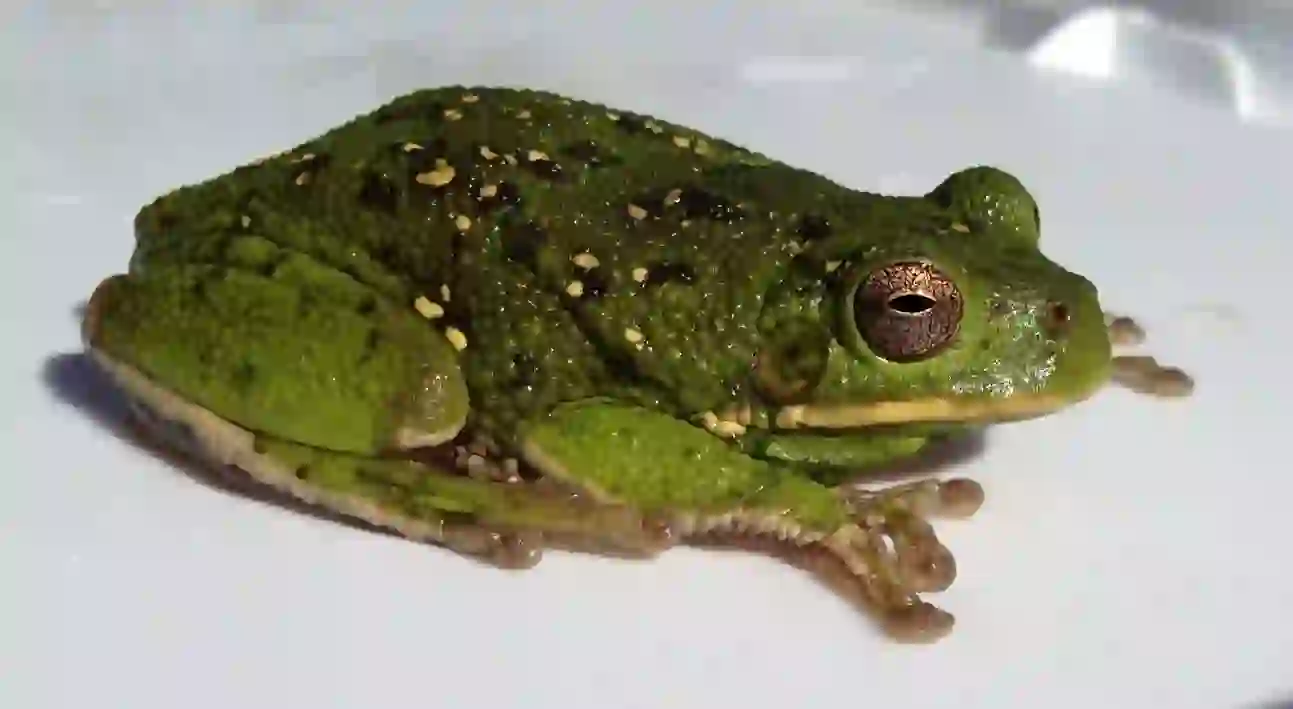
Size: 5~7cm
Weight: 10~20g
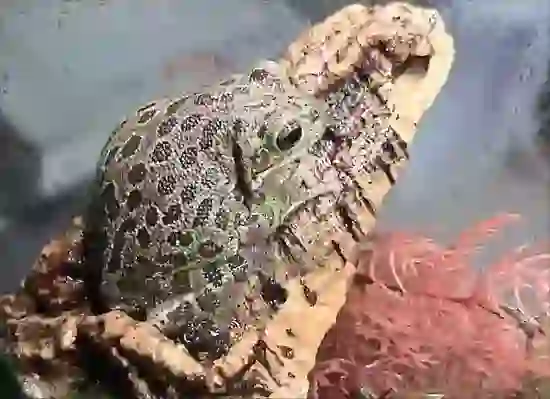
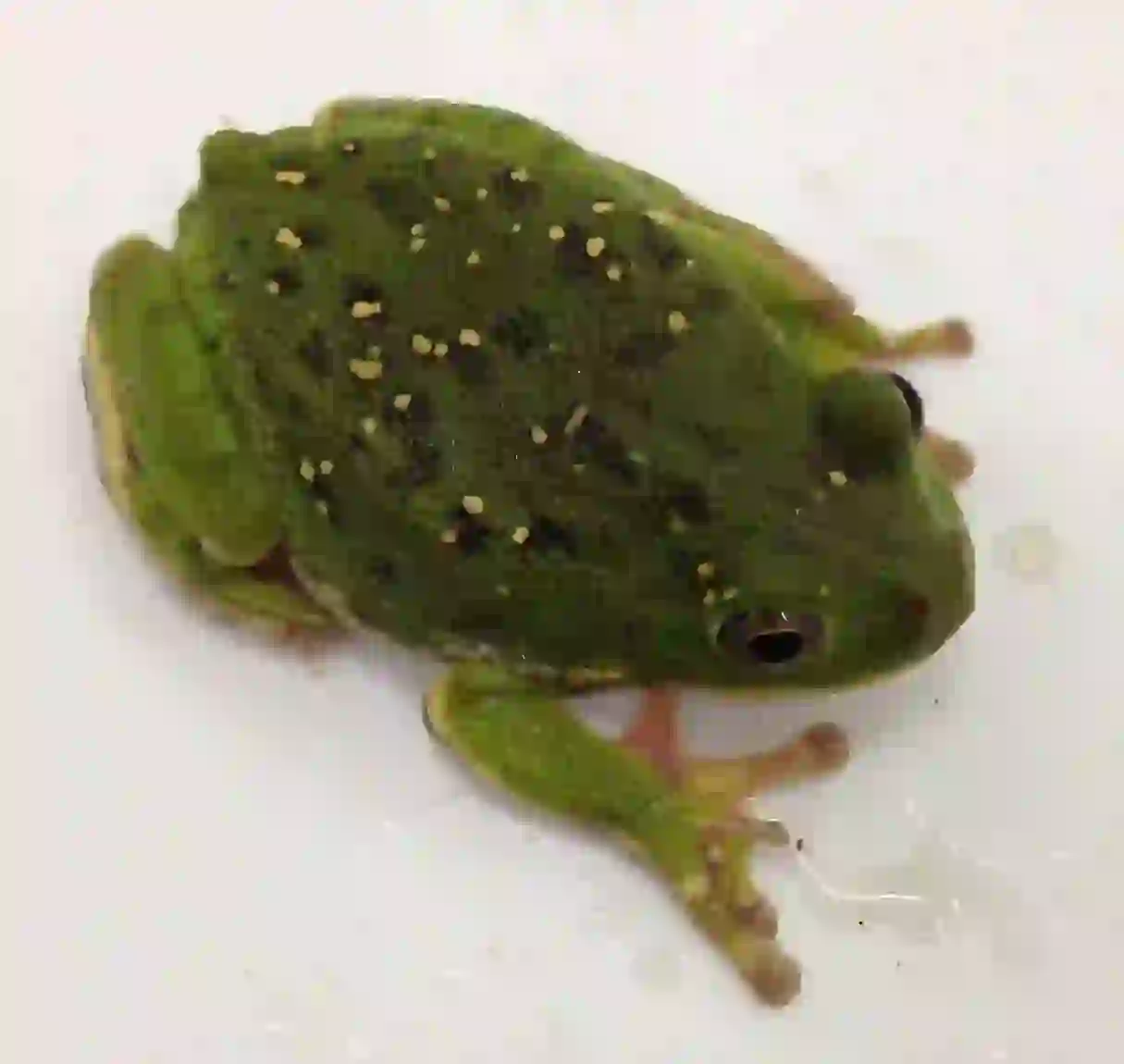
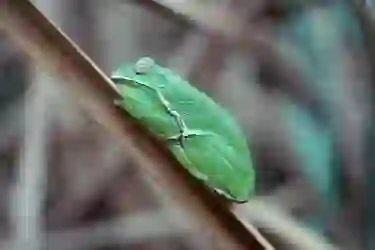
Coloration: Green or brown with white spots on the back
Morphology: Long limbs with suction cups on the fingertips
Habitat: Wetlands of the southeastern United States
Diet: Insects, spiders, etc.
Reproduction: Lays eggs in water from spring to summer
Lifespan: Approximately 5 years
A Dog's Bark? Unraveling the Mystery of the Barking Treefrog
In the wetlands of the southeastern United States, a peculiar sound breaks the silence.
"Woof! Woof!"
It sounds like a dog barking.
But the source of this sound is not a canine.
It's the Barking treefrog, a distinctive amphibian with a green or brown coloration and characteristic white spots.
Why do they bark like a dog?
Barking treefrog Q&A
Why does the Barking treefrog sound like a dog?
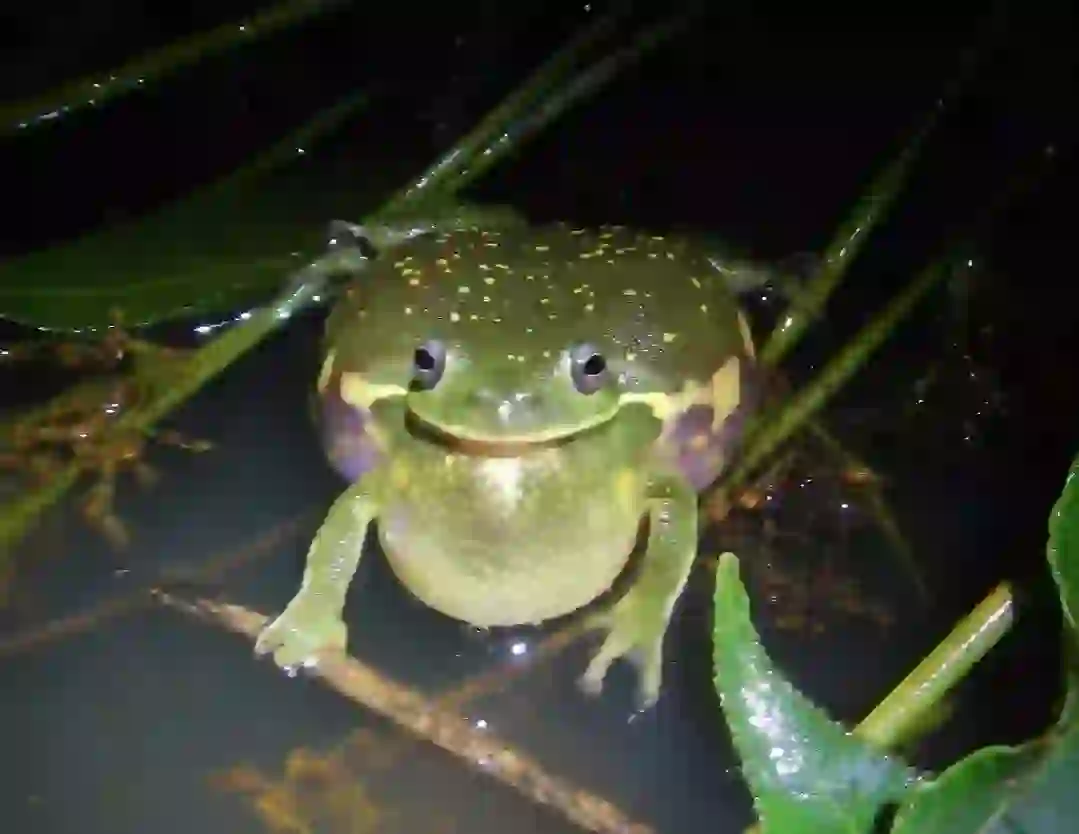
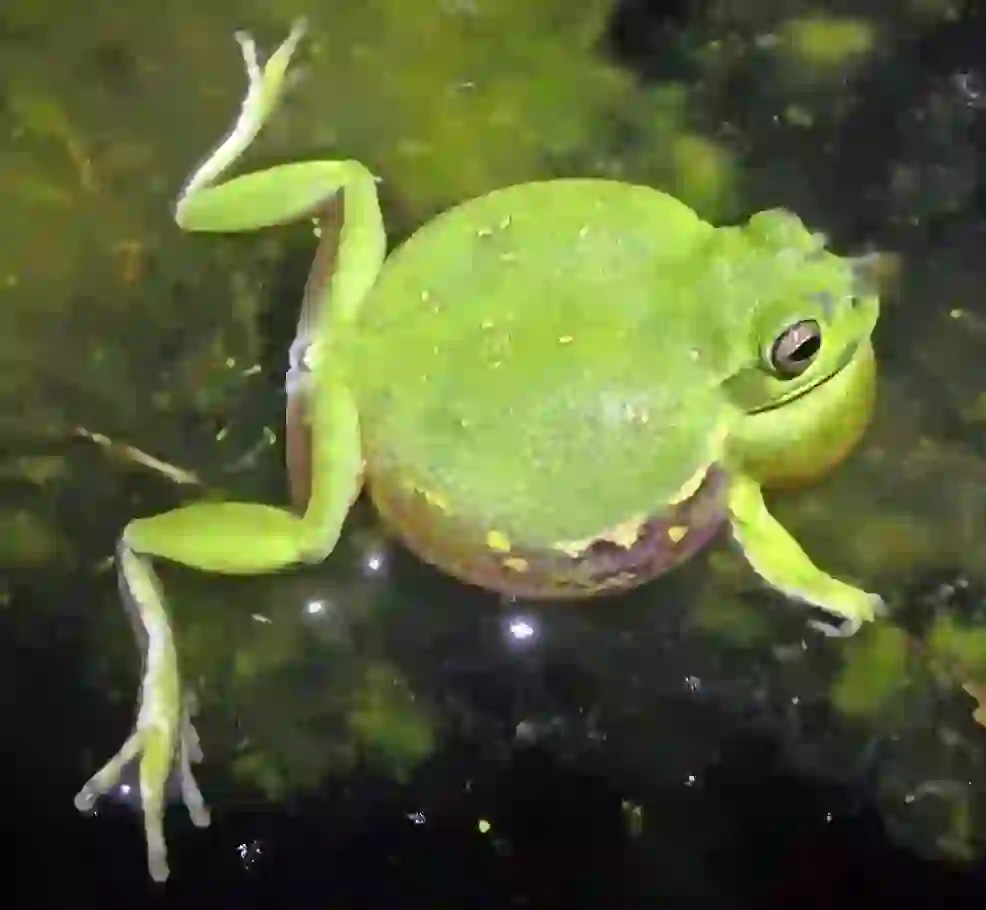
The Barking treefrog's call is exceptionally loud, low-pitched, and resembles a dog's bark, unlike other tree frogs.
This is thought to be related to the structure of their vocal cords and the size and shape of their throat pouch, which amplifies the sound.
The dog-like bark is used to attract females and to assert their territory against other males.
Where does the Barking treefrog live?
The Barking treefrog inhabits wetlands in the southeastern United States.
They prefer areas near water sources and can be found on aquatic plants and tree branches.
They are nocturnal, becoming active at night to hunt for food.
What does the Barking treefrog eat?
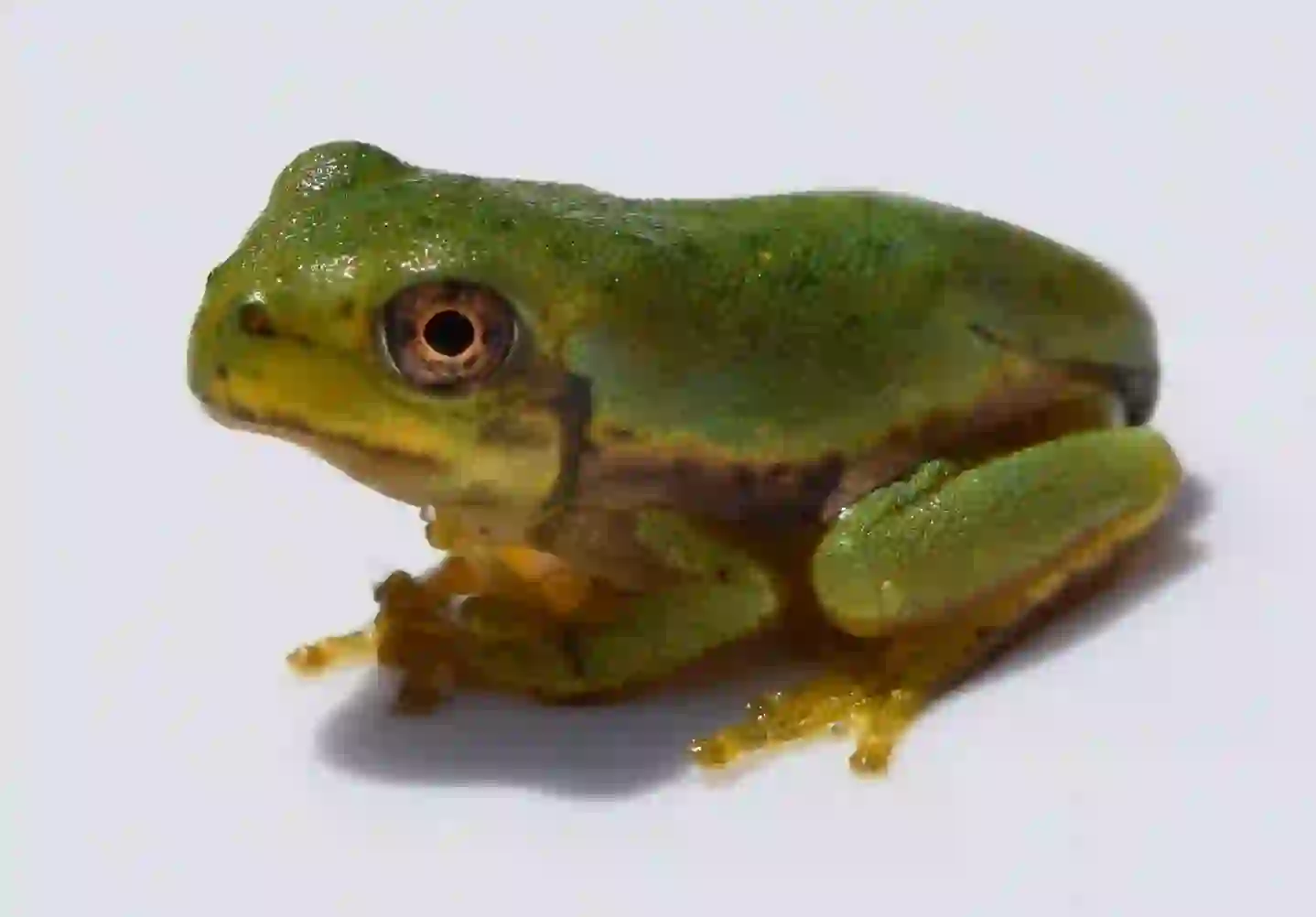
The Barking treefrog primarily feeds on small invertebrates such as insects and spiders.
They use their long, sticky tongues to skillfully catch their prey.
As nocturnal creatures, they become active at night, foraging for food under the cover of darkness.
They may also occasionally consume small amphibians and reptiles.
How does the Barking treefrog reproduce?
The Barking treefrog breeds in water from spring to summer.
Males attract females by calling from aquatic plants or rocks near the water's edge.
When a female approaches, the male grasps her in a posture called amplexus.
The female lays her eggs in the water, and the male fertilizes them externally.
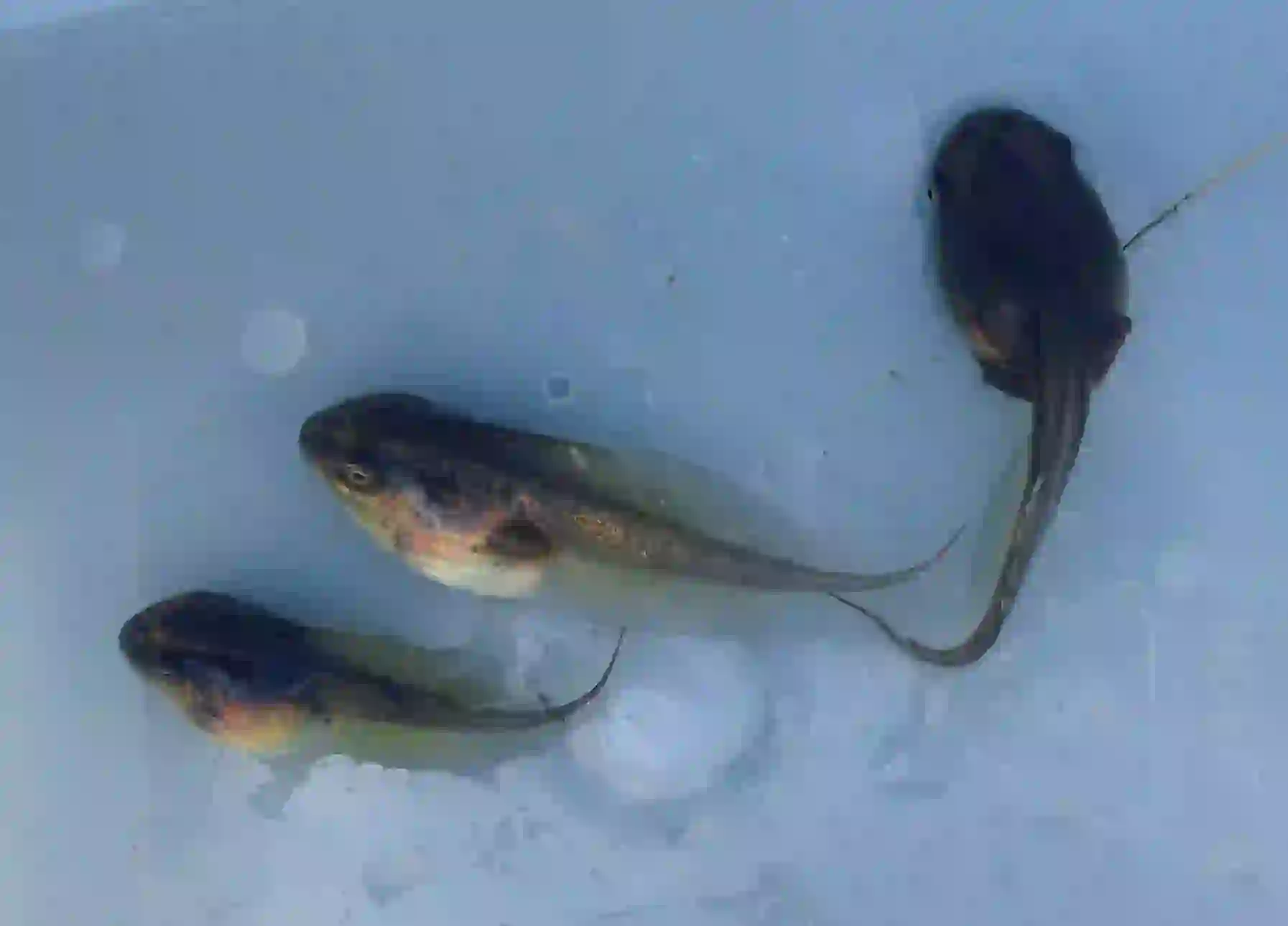
The eggs hatch in the water, and the tadpoles develop aquatically.
What can we do to protect the future of the Barking treefrog?
The Barking treefrog's population is declining due to habitat destruction and water pollution.
We can start by learning about the Barking treefrog and the environmental issues facing its wetland habitat.
Then, let's take action to protect these wetlands. For example, we can avoid littering, conserve water, and choose to buy environmentally friendly products.
Every small action we take can contribute to protecting the future of the Barking treefrog.

Would you like to become a part of the 'Animalbook.jp'?
Turn your knowledge into Q&A and share it with the world. ※Publication will be activated after purchase. Let's share information together!
Barking treefrog Type of List
- Barking treefrog
Information
Congratulations! You are the first commenter!

Create Your Favorite List!
Barking treefrog
Save the animals you love! Build your own list to quickly revisit your favorites later.
Would you like to leave a comment?
※Please note: This is for the purchase of rights to post comments within the article.
Find Your Favorites!
Our shop offers a unique and attractive selection of goods themed around various animals.
Barking treefrog References
Barking treefrog Introduction of media used
Fredlyfish4, CC BY-SA 3.0, via Wikimedia Commons
Fredlyfish4, CC BY-SA 3.0, via Wikimedia Commons
Fredlyfish4, CC BY-SA 4.0, via Wikimedia Commons
Fredlyfish4, CC BY-SA 4.0, via Wikimedia Commons
Fredlyfish4, CC BY-SA 4.0, via Wikimedia Commons
Fredlyfish4, CC BY-SA 3.0, via Wikimedia Commons
Dawson at en.wikipedia, CC BY-SA 2.5, via Wikimedia Commons
Fredlyfish4, CC BY-SA 3.0, via Wikimedia Commons
From Wikimedia Commons, the free media repository

Help Enrich Our Animalbook.jp with Your Media!
We are constantly looking to expand and enrich our Animalbook.jp with amazing photos and videos of animals. If you have any media that you'd like to share, please contribute and help us showcase the beauty and diversity of the animal kingdom. Your submissions will be credited and featured in our encyclopedia, reaching a wide audience of animal lovers.
Barking treefrog
Disclaimer : This article is created by AI. While we strive for accuracy, there is a possibility that it contains errors. When making important decisions, please refer to official information and expert opinions, and use it at your own risk.