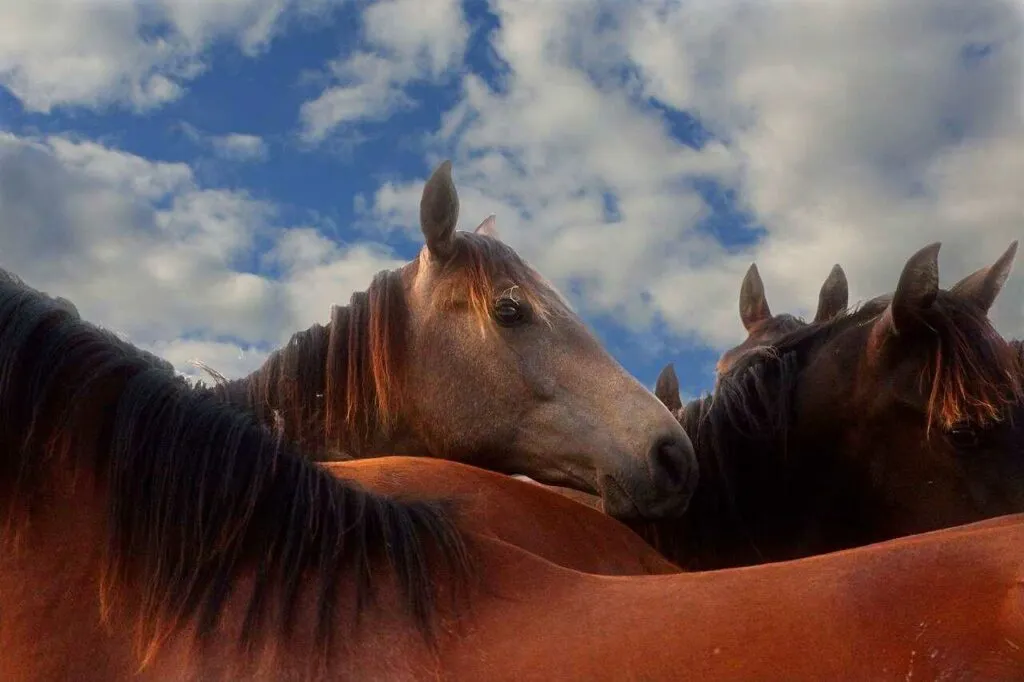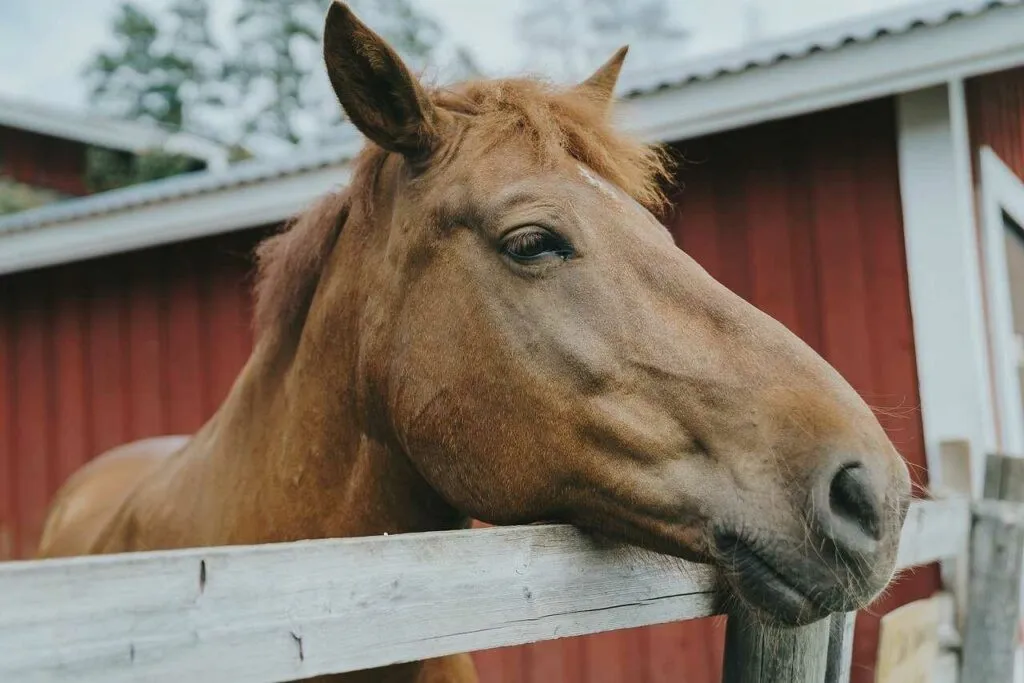



What does 'Horse's Ears and the Eastern Wind' mean?
It means completely ignoring or letting others' opinions and criticisms go in one ear and out the other.
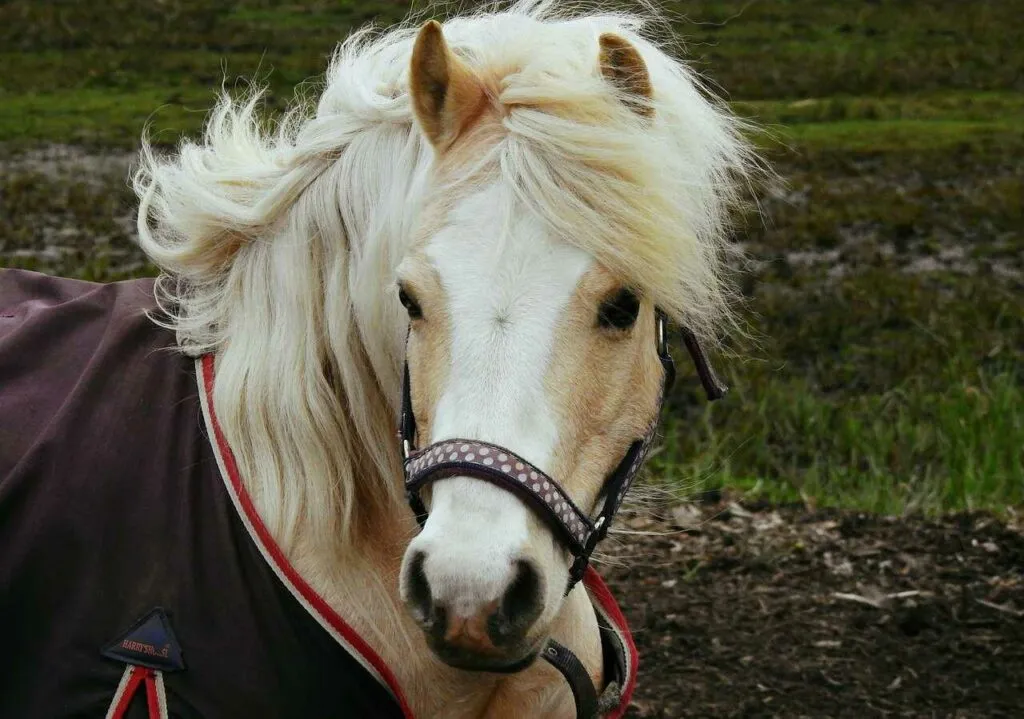
How did this proverb originate?
It is said to have originated from a poem written by Li Bai during the Tang Dynasty called 'Reply to Wang Twelve on a Cold Night.' A line in the poem goes, 'When people hear it, they all shake their heads, as the eastern wind blows through horse's ears,' which simplifies to mean 'Even though I share my poetry with the world, everyone shakes their head, not understanding. It's as if the spring breeze touches horse's ears, but the horse feels no emotion or excitement whatsoever.'
Besides 'Reply to Wang Twelve on a Cold Night,' 'Horse's Ears and the Eastern Wind' was also used in the poem 'Harmonizing with Minister He's Six Rhymes,' by Su Shi, a poet of the Song Dynasty. He lamented that explaining the beauty and grandeur of nature to people in the streets fell on deaf ears, expressed as 'What difference is there to the eastern wind blowing through horse's ears?'